Let It Burn: The Hardest Choice a Guild Leader Ever Makes
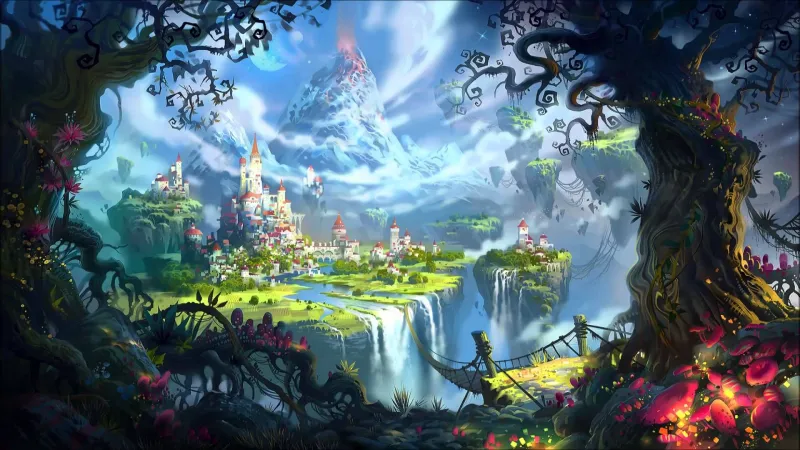
Photo: fantasy guild hall abandoned empty chairs dim light RPG, via i.pinimg.com
There's a particular kind of silence that settles over a guild Discord when everyone knows it's over but nobody wants to say it out loud. The raid calendar hasn't been updated in three weeks. Half the officers have gone quiet. The once-bustling general chat now looks like a ghost town with tumbleweeds rolling past old screenshots and congratulation posts from a better time.
Most leaders keep grinding anyway. They post motivational messages. They recruit strangers from the forums. They schedule events nobody attends. And sometimes — just sometimes — a veteran player decides to do something that looks, from the outside, like betrayal.
They choose to let the guild die on purpose.
The Point of No Return
Ask anyone who's been deep in guild leadership long enough and they'll describe the same moment: a quiet Tuesday night when they pulled up the activity logs and just knew. Not suspected. Knew. The math wasn't there. The culture had curdled. The players who made the place worth logging into had already started drifting toward other servers or other games entirely.
"I'd been leading Ironveil Compact for almost four years," says Marcus, a 34-year-old from Austin who's been playing online RPGs since the early 2000s. "We were never a world-first guild or anything like that, but we had something real. Then two of our core officers got jobs that changed their schedules, one of our best tanks had a kid, and we just never recovered. I spent six months trying to rebuild what we had. I was miserable. The people still logging in were miserable. I was dragging everyone through something that had already ended."
What Marcus did next is the kind of thing that gets whispered about in gaming communities rather than celebrated. He called a guild meeting, told his remaining members the truth, helped them find new homes in other guilds, and then disbanded Ironveil Compact in a single evening.
"A few people were angry at first," he admits. "But most of them thanked me later. One of my old officers messaged me like two months after and said it was the kindest thing I could have done."
Why Dragging It Out Does More Damage
The counterintuitive reality of dying guilds is that prolonged survival often does more harm than a clean ending. Players who might have moved on to healthy communities instead get trapped in a holding pattern — logging in out of loyalty, grinding through content they've long since outgrown, waiting for a revival that never materializes.
Jenna, a healer main from Portland who's been part of three guild collapses over her decade-long RPG career, describes it as "hospice mode."
"You're not really playing anymore. You're just sitting with something that's dying. And that sounds beautiful in a sad way, but it's actually just exhausting. You stop growing as a player. You stop having fun. You're just... there, out of obligation."
The players who choose the mercy kill — as the community has started calling it — tend to be people who've already watched at least one guild bleed out the slow way. They've seen what happens when leadership refuses to acknowledge reality. The resentment that builds. The drama that erupts when someone finally does quit. The way a once-proud guild name becomes associated with dysfunction and decline rather than the good years that came before.
The Unexpected Gifts of a Graceful Ending
Here's the part nobody talks about: some of the deepest friendships in online RPG culture are forged in a guild's final days.
When the pressure of performance disappears — no more progression benchmarks, no more drama about loot distribution, no more politics about officer promotions — something loosens. Players start talking differently. They reminisce. They laugh. They help each other find new guilds with the same generosity they might have reserved for real-life job referrals.
"The last two weeks of my old guild were honestly some of the best times I had in that game," says Derek, a 29-year-old from Chicago. "We did old content nobody cared about anymore. We ran through zones just to mess around. We talked on voice chat for hours about stuff that had nothing to do with the game. It felt like a really good goodbye party."
This phenomenon — call it the clarity of an ending — seems to strip away the competitive anxiety that often poisons guild culture and replaces it with something more honest. When there's nothing left to win, people stop performing and start connecting.
The Reputation Cost Nobody Warns You About
Choosing to end a guild deliberately isn't without its social consequences. The online RPG world is smaller than it looks, and opinions travel fast.
Some players will always read a disbanding as failure, regardless of the reasoning behind it. Leaders who make the mercy kill decision sometimes find themselves quietly excluded from other leadership circles, branded as quitters by people who weren't there and don't understand the full picture.
"I got some grief for it," Marcus acknowledges. "Some guy I barely knew posted in a server forum saying I'd abandoned my people. But the people who were actually in Ironveil? They knew. And honestly, the respect I got from them mattered way more than what some stranger thought."
The community's judgment tends to soften over time, especially when the alternative — a guild that lingers in semi-death for months or years, becoming a cautionary tale — becomes visible by comparison.
What It Takes to Pull the Trigger
Not every guild that's struggling deserves to be disbanded. The distinction between a rough patch and a terminal decline is real, and the players who've made this call thoughtfully are quick to point that out.
"You have to be honest with yourself about whether you're giving up or whether you're genuinely reading the situation clearly," Jenna says. "There's a difference between a guild that needs new leadership and a guild that's fundamentally done. The hardest part is figuring out which one you're actually in."
The players who've navigated this most gracefully seem to share a few things in common: they communicated openly with their members throughout the decline rather than hiding the problems, they made the decision collaboratively when possible, and they treated the ending as an event worth marking rather than something to be ashamed of.
Because here's what the best guild leaders eventually figure out: a guild is made of people, not of a name in a database. When you protect the people — when you free them to find better homes instead of keeping them trapped in a sinking ship — you're honoring what the guild was actually built for in the first place.
Sometimes the most legendary thing a leader can do is know when to let the shadow fall — and make sure, when it does, that everyone walks out of the darkness together.