Alive or Abandoned: What Separates a Thriving RPG Server From a Digital Wasteland
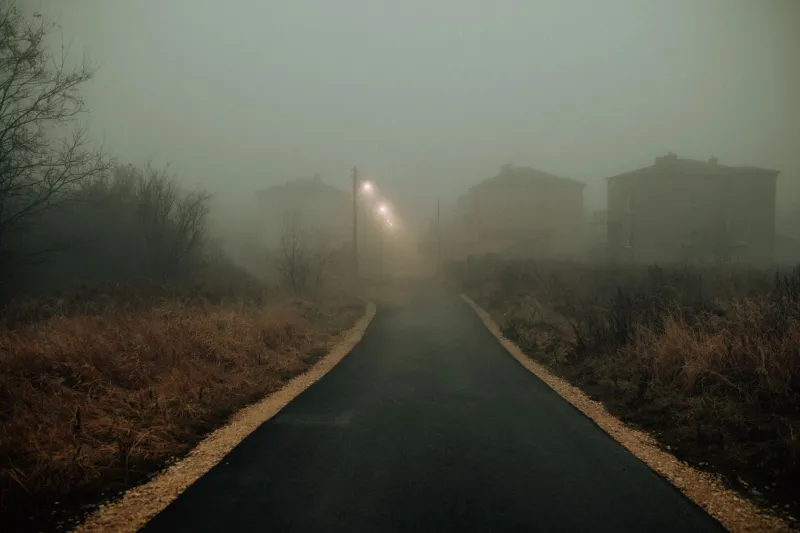
Log into the wrong server at the wrong time and the silence hits you immediately. The town square is empty. The auction house hasn't seen a new listing in three days. Someone left a message in global chat six hours ago and nobody answered. You've stumbled into one of online gaming's most haunting phenomena — the ghost town server.
But scroll to a different realm on the same game, maybe one with a slightly different name and the same character creation screen, and it's chaos. Login queues stretching twenty minutes. Trade chat scrolling faster than you can read it. Guild recruiters practically knocking on your door the moment you step into the starting zone.
Same game. Completely different worlds. So what gives?
We spent weeks talking to players across the US, digging through community forums, and piecing together the real story behind server life and death. What we found is less about code and more about something far more human.
The First 72 Hours Are Everything
Several veteran players we spoke with described a phenomenon they call the "launch window lock-in." When a new server opens, the first wave of players who arrive — and more importantly, stay — essentially set the social DNA of that world.
"I've rolled on six different server launches over the years," said Marcus T., a 34-year-old player from Austin, Texas who's been deep in the MMO scene since the early 2000s. "You can feel within the first weekend whether a server is going to stick. If the guilds organizing early are welcoming and active, people stay. If it's toxic from jump, the casuals bounce and it just becomes a sweaty wasteland."
 Photo: Austin, Texas, via wallpaperaccess.com
Design researchers who study online communities have long noted this kind of early-adopter effect. The tone established by the first major player clusters tends to self-reinforce. A friendly server attracts friendly players. A hyper-competitive server repels the mid-tier population that, ironically, keeps economies and social structures healthy.
Game developers know this too, which is why some studios have started experimenting with soft-launch periods and curated beta communities before full server opens. The goal is essentially to pre-seed the culture.
The Economy Is the Heartbeat
If community culture is the soul of a server, the in-game economy is its heartbeat — and when it flatlines, everything else follows.
Think about what actually keeps players logging in between major content patches: crafting, trading, farming materials, flipping items on the auction house. These systems only work when there's a healthy player population sustaining supply and demand. On a ghost town server, the loop collapses. Nobody's buying, so nobody bothers crafting. Nobody's crafting, so the economy dries up. The progression wall hits harder because there's no player-driven market to help you over it.
"I had a character I loved on a server that was basically dying," recalled Priya S., a college student from Seattle who plays several nights a week. "I couldn't sell anything. The crafting economy was dead. I had to either transfer or just quit the game entirely. I transferred, and it was like waking up. The market was alive over there."
Developers who allow free or low-cost server transfers can sometimes save dying servers by letting the population consolidate, but it's a double-edged sword. Every player who leaves takes a little more life with them.
Design Choices That Kill Communities Slowly
Not every ghost town is the result of bad luck or toxic early players. Sometimes the game itself is quietly working against certain servers.
Content gating — locking endgame material behind strict group requirements — is one of the most cited culprits. When a server's population dips below a critical threshold, players literally cannot complete the content they're paying for. It creates a brutal feedback loop: the server is dying, which means you can't raid, which means there's no reason to stay, which means the server dies faster.
Poor matchmaking tools that force players to manually assemble groups rather than use cross-server queues also accelerate decline. On a full server, standing in town shouting for a healer is mildly annoying. On a half-empty server, it's a thirty-minute ordeal that ends in frustration.
Conversely, servers that thrive often benefit from design features that reduce friction — robust social tools, shared community spaces that funnel players together, and event systems that create recurring reasons to log in. It's not glamorous game design, but it works.
The Shadow Side: When Thriving Turns Toxic
Here's the twist — not every busy server is a good one. Some of the most populated realms in popular online RPGs carry reputations that precede them. Brutal gatekeeping from elite guilds. Economy manipulation by a small group of wealthy players who've cornered the market. Harassment that drives away anyone who isn't willing to endure it.
In these cases, the server is technically alive but operating in shadow. The population numbers look healthy in a spreadsheet, but the actual experience for the average player is miserable. These servers often have high churn — lots of new players arriving, lots of players quietly leaving after a few weeks.
"Big doesn't mean good," said Daniel R., a guild leader from Chicago who's run communities in multiple games over the past decade. "I've been on packed servers that felt lonelier than some smaller ones I've called home. A thousand people online means nothing if nobody's actually looking out for each other."
What Actually Saves a Dying Server
The good news is that ghost towns aren't always permanent. Communities have clawed their way back from the brink, and the stories of how they did it are genuinely inspiring.
Player-organized events — seasonal tournaments, community-run treasure hunts, informal RP gatherings — have revived flagging populations more than once. When official developer attention is slow to arrive, players who take ownership of their server's culture can buy it critical time.
Discord communities, Reddit threads, and dedicated fan sites (sound familiar?) serve as lifelines. They keep players connected between sessions, help new arrivals find their footing, and give the server an identity that extends beyond the game client itself.
Developer intervention matters too, obviously. Merging low-population servers, introducing fresh content that draws lapsed players back, or running promotional events tied to specific realms can all move the needle. But the studios that handle it best are the ones that treat their server communities as partners rather than just metrics.
The Bright and the Dark
Every online RPG world exists somewhere on a spectrum between radiant and forgotten. The brightest servers aren't necessarily the biggest — they're the ones where the social contract is healthy, the economy hums, and players feel like they actually matter to the world around them.
The dark ones aren't always empty. Sometimes they're full of people who've stopped caring about each other.
The difference, when you strip everything else away, is almost never about the game's code. It's about the people who decided — or didn't decide — to build something worth staying for.
Next time you're picking a server on a new game, don't just look at the population bar. Lurk in the Discord. Read the forum posts. Ask a random player in the starting zone how long they've been there and whether they'd recommend it. The answers will tell you everything.
Because in the end, every legend needs a living world to rise in.