Lights Out: Mourning the Online RPGs We Lost Before Their Time
Somewhere right now, someone is pulling up an old screenshot. Maybe it's a guild hall they spent weeks building. A character they leveled for years. A moment — a boss kill, a wedding ceremony, a server-wide event — frozen in a JPEG that's the only evidence the whole thing ever happened.
Online RPGs are not just games. For millions of American players, they've been gathering places, creative outlets, social lifelines, and in some cases, the closest thing to a second home they've ever known. Which makes it hurt all the more when the servers go dark.
This isn't a list of failures. It's a tribute.
The World That Refused to Die: City of Heroes
When NCsoft shut down City of Heroes in November 2012, the reaction from the community wasn't just sadness — it was genuine grief. Players held in-game vigils. Supergroups gathered one last time. The game's forums became a kind of digital memorial wall.
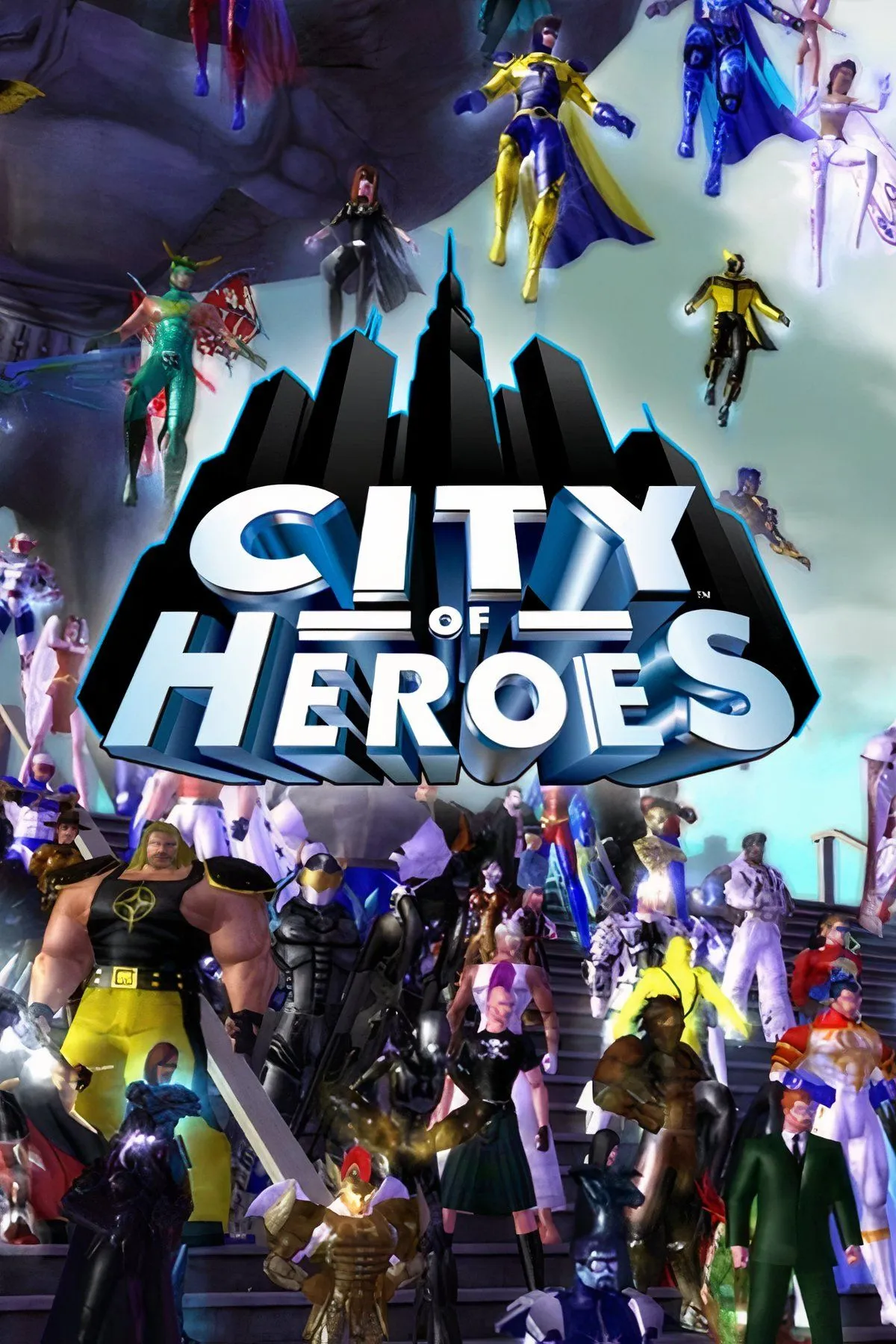 Photo: City of Heroes, via static0.gamerantimages.com
What made it sting worse was how alive the game still felt. City of Heroes had a devoted player base, an active roleplaying community, and a superhero customization system that nothing else in the genre has fully replicated to this day. The shutdown wasn't the result of a dead game — it was a business decision that felt deeply disconnected from the world it was ending.
The story didn't stop there, though. In 2019, a private server called Homecoming emerged from a years-long secret preservation effort, eventually gaining a formal licensing agreement with NCsoft. It's one of the most remarkable community resurrection stories in gaming history, and it started because players simply refused to accept that their city was gone for good.
WildStar and the Sting of Potential
WildStar launched in 2014 with enormous expectations. A colorful sci-fi fantasy world, razor-sharp writing, and some of the most challenging raid content an MMO had produced in years — it had everything. What it couldn't quite survive was the brutal launch-window competition and a subscription model that the market had largely moved past.
The servers shut down in November 2018. Players who'd spent years with the game's Exile and Dominion factions held final send-off events, some of them streamed live. The housing system — genuinely one of the best player housing mechanics ever designed — became a kind of gallery in those last days, with players decorating their plots as a final act of love for a world about to disappear.
Preservation efforts have continued, with private server communities keeping pieces of Nexus alive. But the original experience — the live, breathing, developer-supported world — is gone. And for the players who were there, that matters.
The Quiet Loss of Landmark
Landmark, Daybreak Game Company's player-driven building and exploration sandbox, shut down in February 2017 after a troubled development cycle. What's mourned most about Landmark isn't what it was — it's what it was trying to become. The game represented a genuine attempt to hand creative tools to players in ways the genre hadn't fully explored, and the community built extraordinary things within it.
When the end was announced, players scrambled to document their creations. Screenshots, videos, and community archives became the only record of structures and landscapes that had taken hundreds of hours to construct. The loss of Landmark is a particular kind of grief — the mourning of potential that never got to fully bloom.
Tabula Rasa and the Goodbye That Tried to Be Beautiful
Not every server shutdown is handled gracefully, but Tabula Rasa's final event in 2009 deserves recognition for trying. In its last hours, NCsoft staged an in-game alien invasion — the Bane finally winning the war the game had been built around. Players fought until the servers literally couldn't sustain them anymore.
It was a strange, melancholy kind of poetry. The world didn't just go offline — it ended, narratively, on its own terms. Players who were there still talk about it as one of the most uniquely memorable moments in MMO history, even if the game itself is largely forgotten by mainstream gaming culture.
Why These Losses Feel Different
People who've never played an online RPG sometimes struggle to understand why a server shutdown hits so hard. It's just a game, right?
Except it's not. It's the guild that helped you through a rough patch in your twenties. It's the friends you made at 2 a.m. during a raid that ran way too long. It's the character you built piece by piece over years, who in some real sense represented a version of yourself you got to inhabit for a little while.
Physical places get historic preservation status. Libraries archive books. Museums protect artifacts. But when an online world shuts down, the default is erasure — and the communities left behind often have no institutional support for what they've lost.
The Preservation Movement That's Fighting Back
The good news is that players have started fighting for their worlds in increasingly organized ways. The Museum of Art and Digital Entertainment (MADE) in Oakland, California has been one of the most visible US-based advocates for game preservation, including MMOs. Community-run emulator projects — legally complex but culturally vital — have kept versions of Ultima Online, Star Wars Galaxies, Asheron's Call, and others accessible long after official support ended.
 Photo: Star Wars Galaxies, via png.pngtree.com
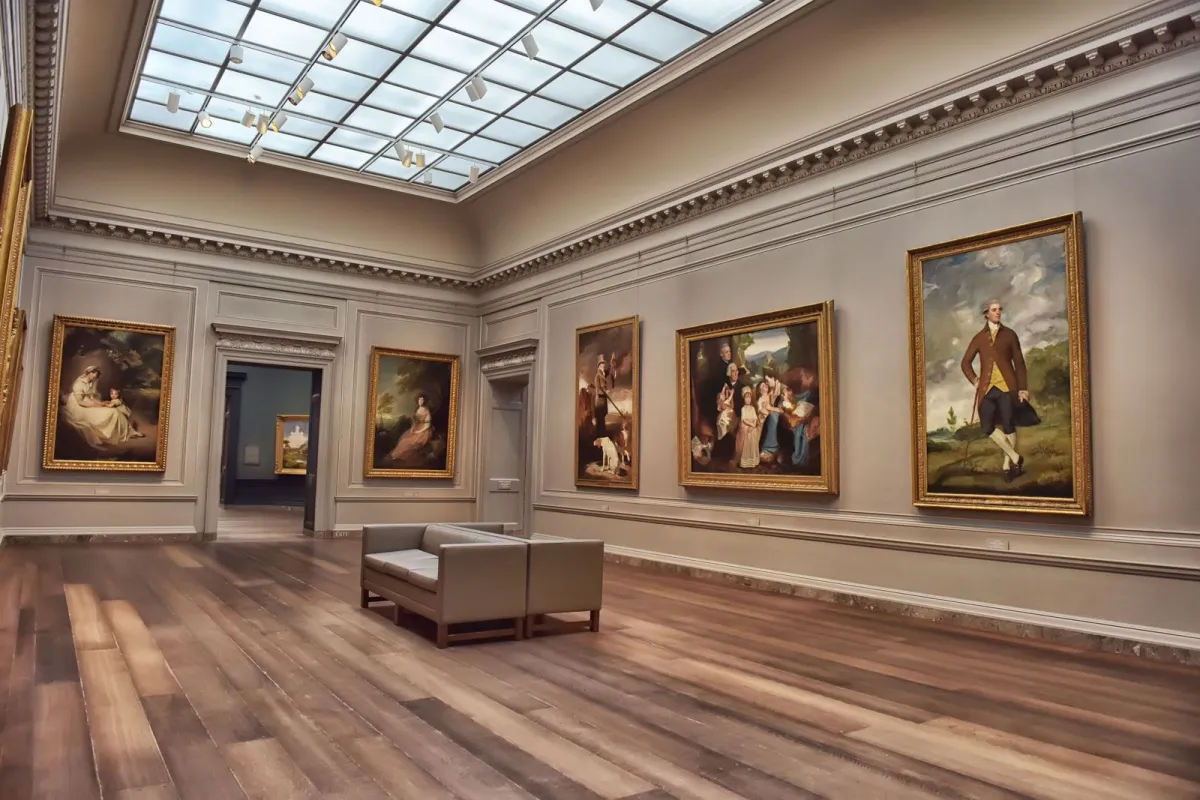 Photo: Museum of Art and Digital Entertainment, via cdn.britannica.com
Star Wars Galaxies in particular has an extraordinary preservation story. Shut down in 2011 after a controversial overhaul that alienated much of its original playerbase, the game now lives on through SWGEmu and Legends private servers that have collectively logged millions of player hours in the years since. The community didn't just grieve — they rebuilt.
What We Carry Forward
Every online RPG that shuts down leaves something behind, even if the servers don't. It leaves the stories players tell each other. The screenshots they keep. The friendships that outlasted the game itself.
There's a bittersweet truth at the center of all of this: the impermanence of these worlds is part of what makes them matter. Because they can end, the time spent in them carries weight. The guild that cleared a raid together, the server that staged one last event before the lights went out, the player who logged in one final time just to stand in a place they loved — these are real moments, even if the world that held them no longer exists.
The shadows don't always fall cleanly. Sometimes they linger, carried forward in memory by the people who were there.
And maybe that's enough.