Flying Solo: Why More Multiplayer RPG Players Are Going It Alone — And Not Looking Back

Let me paint you a picture.
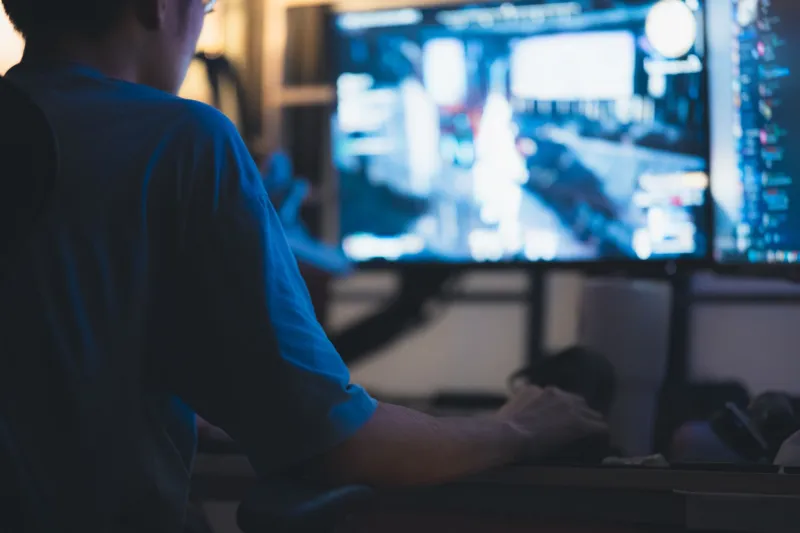
It's a Saturday night. A player logs into a sprawling online RPG — one designed from the ground up for cooperative play, with guild systems, group dungeons, and raid content that practically requires a team of eight. And this player? They spend the next four hours completely alone. No party. No guild tag. No voice chat. Just them, the world, and whatever they can handle on their own.
This isn't a failure state. It's not someone who couldn't find a group or got kicked from a guild. It's a choice — a deliberate, considered, increasingly common choice that a huge number of American MMO and online RPG players are making every single time they log in.
The lone wolf playstyle is real, it's growing, and I think it says something pretty important about where gaming culture is headed.
The Myth of the "Wrong" Way to Play
There's a persistent attitude in online RPG communities that playing solo in a multiplayer game is somehow doing it wrong. Like you've shown up to a dinner party and spent the whole night eating alone in the kitchen. The game is right there. The people are right there. What's your problem?
I'd push back hard on that framing. The idea that a game's intended design should dictate how every player engages with it is a pretty narrow way to think about one of the most open-ended genres in gaming. RPGs, by their very nature, are about player agency. You build the character you want. You pursue the story you find interesting. So why should the social layer be exempt from that same freedom?
The players going solo aren't broken. They're just playing by a different set of priorities — and those priorities are worth understanding.
What's Actually Driving the Solo Surge
There's no single explanation for why so many players are opting out of group content, but a few threads keep coming up when you dig into the conversation.
Time pressure is real. A lot of the American players gravitating toward solo play are adults with jobs, families, and schedules that don't accommodate the commitment that guild life demands. Raid nights, scheduled events, the social obligation to be online when your team needs you — that stuff is genuinely hard to maintain when you've got a 7 AM alarm and a kid who wakes up at midnight. Solo play fits into the gaps of a busy life in a way that coordinated group content simply doesn't.
The social overhead is exhausting. This one doesn't get talked about enough. Online RPG communities can be wonderful, but they can also be drama-heavy, hierarchical, and emotionally demanding in ways that feel like a second job. Managing guild politics, navigating personality clashes, dealing with toxic players in pickup groups — for a lot of people, that friction cancels out the fun. Going solo removes the noise.
Pandemic-era habits stuck around. During COVID lockdowns, a lot of players who might have been casual group participants found themselves playing more deeply and more independently. The social rhythms of online gaming shifted. Some of that stuck. Players who discovered they actually preferred a quieter, more self-directed experience didn't automatically revert when the world opened back up.
Introverted players are finally being honest about what they want. This might be the most underrated factor. For a long time, there was enough social pressure around group play that solo-preferring players would push through discomfort and join guilds they didn't really want to be in. Now there's enough community validation around solo playstyles that people feel comfortable owning the preference. The lone wolf isn't hiding anymore.
The Tension With How These Games Are Built
Here's where I'll be straight with you: there's a genuine conflict at the heart of this conversation.
Most online RPGs are architected around group engagement. The best gear sits behind raid content. The most interesting story beats are locked into guild questlines. End-game progression often hits a wall for players who won't party up. These aren't accidents — they're deliberate design decisions meant to keep players socially invested in the game, which in turn keeps them subscribed and spending.
Solo players bump into that wall constantly. And the frustration is real. When you've spent sixty hours building a character you love, exploring a world you're genuinely invested in, and then the game essentially tells you you need five friends to see what happens next — that's a jarring rupture. It breaks the fantasy.
The question is whether developers are listening.
Signs That the Industry Is Starting to Pay Attention
Some are. Slowly, but they are.
We've seen more games in recent years introduce solo-friendly scaling for content that was traditionally group-locked. Some titles have added dedicated solo modes for story content, letting players experience narrative beats without needing to coordinate with strangers. The rise of strong single-player RPG experiences that borrow MMO aesthetics — deep character systems, persistent worlds, rich lore — is also partly a response to the demand for that style of play without the social obligation.
It's not a revolution yet. The genre's core economic model still leans heavily on social stickiness — the idea that your friends being in the game is what keeps you in the game. But the needle is moving, and developers who ignore the solo segment are leaving a significant chunk of their potential audience underserved.
What Solo Play Actually Looks Like at Its Best
I want to push back against the idea that solo play is inherently a lesser experience. At its best, it's something genuinely different — not a stripped-down version of the "real" game, but an alternate mode of engagement with its own rewards.
Solo players tend to explore more slowly, notice more of the environmental storytelling, and develop a deeper personal relationship with their character's build and progression. Without a group to carry or be carried by, every decision matters more. You can't lean on a healer to cover your mistakes. You figure things out, or you don't progress. There's a satisfaction in that self-reliance that group play, for all its highs, doesn't always deliver.
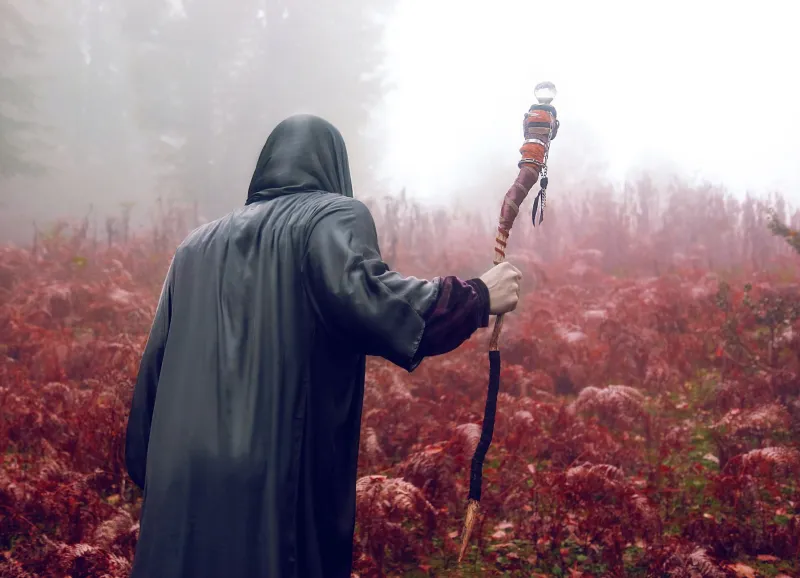
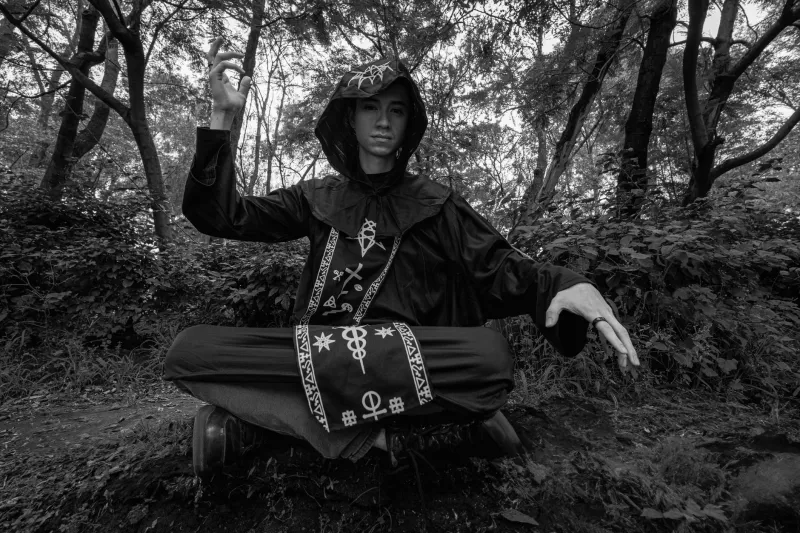
There's also something to be said for the meditative quality of solo play in a big, atmospheric world. Wandering through a dark forest zone at midnight with nobody in your party, just the ambient sound design and your own thoughts — that's not a bug. For a lot of players, that's the entire point.
The Lone Wolf Deserves a Seat at the Table
The online RPG genre has always been at its best when it makes space for different kinds of players. The hardcore raiders, the casual story-chasers, the PvP obsessives, the crafters and economists who never touch combat — all of them have found homes in these worlds.
The solo player deserves that same legitimacy. Not as someone who'll eventually be convinced to join a guild, but as someone with a valid, considered relationship with the game on their own terms.
In a genre called role-playing, there should be room to play the role of the lone wanderer — the one who moves through the world without attachments, answers to no one, and writes their own story from beginning to end.
Some of the best legends, after all, are built in the shadows. Alone.