Guild Up: Your Complete 2025 Playbook for Building an Online RPG Guild That Actually Lasts
Every legendary guild starts the same way: one player, a half-formed idea, and a chat window open to their most trusted gaming friends. What separates the guilds that become server institutions from the ones that quietly dissolve after two months isn't luck — it's intentional design.
Whether you're playing Final Fantasy XIV, World of Warcraft, Guild Wars 2, Lost Ark, or any of the other major online RPGs with active US player bases, the fundamentals of building a lasting guild are surprisingly consistent. This guide walks you through every stage, from that first recruitment post to cultivating a reputation that echoes across your entire server.
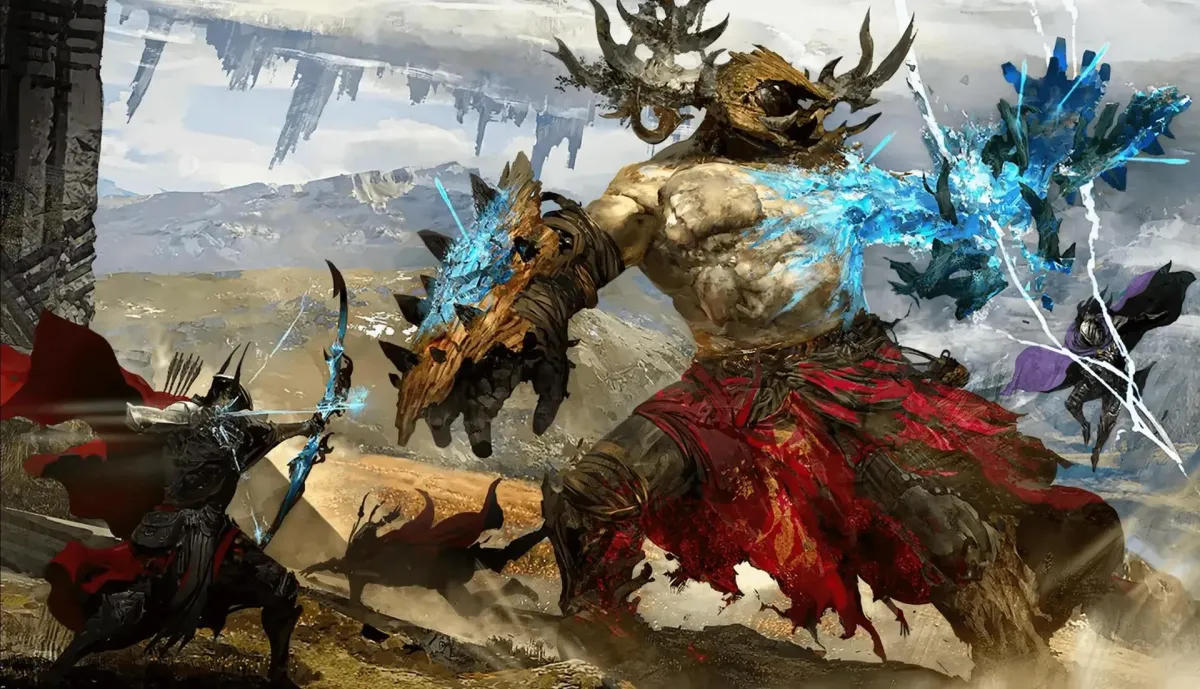 Photo: Guild Wars 2, via games.gg
 Photo: World of Warcraft, via wallpapers.com
 Photo: Final Fantasy XIV, via www.sisinternational.com
Step 1: Define Your Guild's Identity Before You Recruit Anyone
This is the step most new guild leaders skip, and it's the reason most guilds fail.
Before you post a single recruitment message, you need to answer three questions clearly:
What do we do? Hardcore progression raiding, casual social play, PvP, role-playing, endgame content, new player mentorship — these are all valid but very different guild identities. Trying to be everything to everyone is a guaranteed path to internal conflict.
Who are we for? Think about your target player. Working adults with limited play time? College students who can grind six hours a night? Parents who log in after the kids are in bed? Your scheduling expectations, communication norms, and content goals should all align with your actual player base.
What do we value? Write this down. Seriously. Whether it's competitive excellence, inclusive community, storytelling depth, or just having a good time without drama — articulating your values early gives you a framework for every difficult decision you'll face later.
In games like FFXIV, where Free Company identity is a genuine social currency, guilds with clear, well-communicated identities recruit faster and retain members longer. In WoW, where the guild finder tool surfaces dozens of options to any given player, a distinctive identity is what makes yours stand out.
Step 2: Build Your Leadership Team Before You Need It
Solo guild leadership is a burnout machine. The most resilient guilds distribute responsibility across a small, trusted core team from the very beginning.
A functional leadership structure for a mid-sized guild (30-100 active members) typically looks something like this:
- Guild Leader / GM: Sets vision, handles major decisions, manages officer relationships, and represents the guild externally.
- Officer Corps (2-4 people): Each officer owns a specific domain — recruitment, event coordination, bank/economy management, or member relations. Clear ownership prevents overlap and finger-pointing.
- Class/Role Leads (for content-focused guilds): Experienced players who mentor others in their role, handle spec questions, and serve as a bridge between officers and general members.
One thing experienced guild leaders across WoW, GW2, and Lost Ark consistently emphasize: promote based on demonstrated reliability and emotional maturity, not just skill level. Your best DPS player might be your worst officer. The quiet member who always shows up on time and helps new players? That person is officer material.
Step 3: Recruit Intentionally, Not Desperately
The single biggest mistake new guilds make is mass-recruiting to inflate their numbers quickly. A guild of 200 strangers with no shared values is harder to manage and less fun than a tight-knit group of 30 aligned players.
Effective recruitment in 2025 happens across multiple channels:
In-game tools: Use your game's built-in guild finder, but treat your listing like a job posting. Be specific about what you offer and what you expect. Vague listings attract vague applicants.
Discord: Most serious RPG communities have public Discord servers for their game or server. Showing up there, being genuinely helpful, and mentioning your guild naturally is far more effective than spamming recruitment messages.
Reddit: Subreddits like r/wow, r/ffxiv, r/Guildwars2, and r/lostarkgame all have active guild recruitment threads. A well-written post that clearly communicates your identity will outperform a generic one every time.
Twitch and content communities: If you're building a guild around a specific content creator's community, lean into that. Shared fandom is a surprisingly strong social glue.
Consider implementing a trial period — typically two to four weeks — for new recruits. It protects your existing culture, gives new members a chance to assess fit without full commitment, and creates a natural checkpoint for both sides.
Step 4: Create Structure Without Bureaucracy
Guilds need enough structure to function but not so much that members feel like they're clocking in for a second job. The sweet spot varies by guild type, but some universally useful practices include:
Regular scheduled events: Consistency builds community. Whether it's a weekly raid night, a casual dungeon run, or a Friday night PvP session, predictable events give members something to plan around and look forward to.
A clear communication hub: Pick one primary platform (Discord is the current standard for most US-based guilds) and use it consistently. Fragmented communication across Discord, in-game chat, and three different group chats is a recipe for missed information and frustrated members.
Transparent rules: Post your code of conduct somewhere visible and enforce it consistently. The fastest way to lose good members is to apply rules selectively. Everyone's watching how you handle the first major rule violation — make sure your response reflects the values you claimed to have.
Step 5: Handle Conflict Before It Handles You
Every guild will face conflict. The guilds that survive it are the ones with a plan.
Common conflict sources in online RPGs include loot distribution disputes, scheduling disagreements, personality clashes, and leadership communication failures. Here's a framework that works:
-
Address issues early. A small friction point left unaddressed becomes a server-wide drama event. When you notice tension, name it privately before it escalates publicly.
-
Separate behavior from identity. "You were late to three consecutive raids without notice" is addressable. "You're an unreliable person" starts a war. Focus on specific behaviors and their impact.
-
Have a removal process. Know under what circumstances you'll remove a member, and communicate that in advance. Surprise removals — even justified ones — generate drama. A clearly communicated process generates significantly less.
-
Protect your culture over any individual. This is hard, especially when the problem player is skilled or well-liked. But one toxic member who's allowed to stay will cost you five good ones who quietly leave.
Step 6: Build a Reputation That Outlasts Any Individual Member
The guilds that become true server legends — the ones other players reference years later — are the ones that understood reputation as a long-term asset.
Reputation is built through consistent behavior over time: showing up when you say you will, treating other players with respect even in competitive contexts, contributing positively to your server's broader community, and being known as the guild that produces knowledgeable, well-behaved players.
In games with cross-server or world-tier systems, like WoW's Mythic+ scene or FFXIV's data center travel, your guild's reputation can extend far beyond your home server. Players talk. A guild known for carrying its weight in community events, mentoring new players, and competing with integrity will attract better recruits than any recruitment post ever could.
The Long Game
Building a legendary guild isn't a sprint. It's a long-term community project that requires patience, consistency, and genuine care for the people involved.
The guilds that rise from nothing to become true institutions — the ones with Discord servers full of players who've been together for years, who show up for each other's real-life milestones, who log back in for every new expansion because they can't imagine experiencing it without their crew — didn't get there by accident.
They got there one intentional decision at a time.
Now go build something worth joining.