Keeper of the Flame: What It Really Means to Be the Last One Left in a Dying Guild

There's a particular kind of silence that settles over a guild hall when everyone else has gone. No pings in the chat. No callouts for dungeon runs. Just you, a roster full of names with timestamps that read "Last Online: 847 days ago," and a guild banner that used to mean something to a whole lot of people.
For a surprisingly large number of RPG players across the US, this isn't a hypothetical. It's Tuesday night.
They are the last ones standing — the final active members of guilds that once cracked server leaderboards, ran the most chaotic raid nights, and built the kind of camaraderie that made logging in feel like coming home. Now they hold the keys to something that exists mostly in memory, and they can't quite bring themselves to walk away.
When the Roster Goes Dark
Every guild has a lifespan. Most players know this intellectually, the way you know a candle will eventually burn down. But knowing it doesn't make the moment any less strange when you realize you're the only one still holding the wick.
It rarely happens all at once. One founding member gets a new job with brutal hours. Another has a kid. Someone rage-quits after a loot dispute and never comes back. A couple of the core crew migrates to whatever game just dropped its early access. The guild doesn't die — it just slowly empties, like a diner that stops getting foot traffic until one day the owner is just sitting there alone, wiping down tables out of habit.
For Marcus, a 34-year-old from outside Columbus, Ohio, the realization came during what should have been a routine guild event night. "I posted the meeting time in Discord like always," he says. "Nobody showed. I waited like forty minutes just refreshing. That's when I looked at the activity log and realized the last person besides me had logged in three months ago. I just sat there for a while."
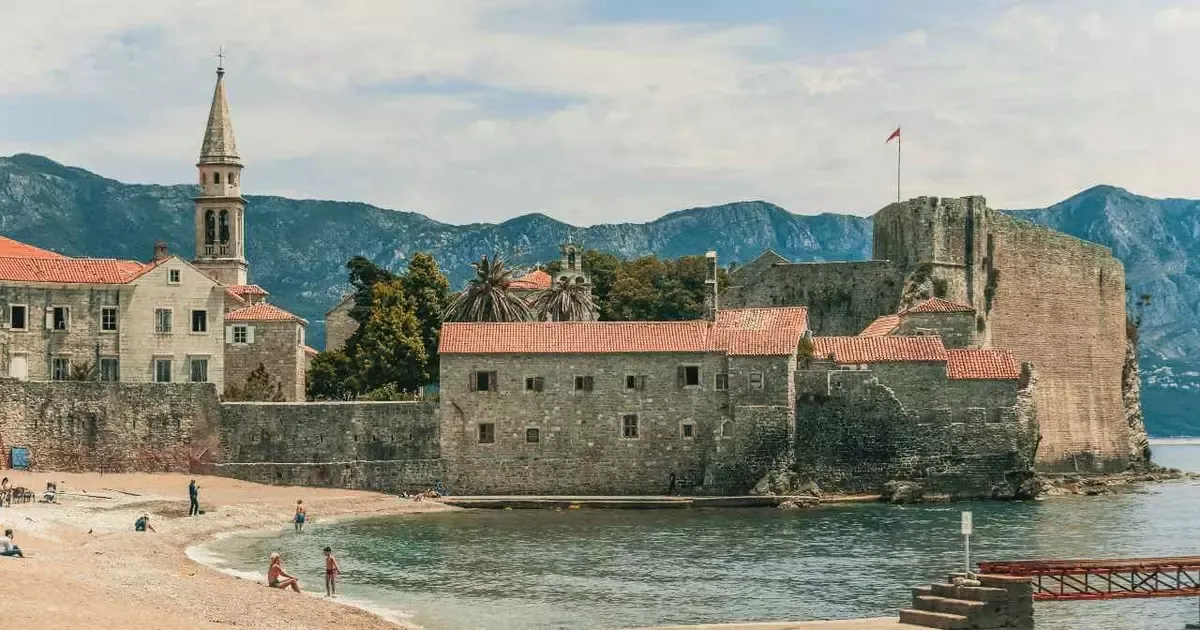 Photo: Columbus, Ohio, via crnagoranekretnine.me
Marcus's guild had been a mid-tier but genuinely beloved presence on their server for almost six years. They weren't world-first raiders, but they had a reputation for being the crew that helped new players get their footing and ran the most chaotic, fun holiday events on the server. "We weren't famous for being the best," he says. "We were famous for being the most fun. That's harder to rebuild than a meta comp."
The Weight of the Name
What keeps someone logging into an empty guild hall night after night? The answer, almost universally, is identity.
Guild names in online RPGs aren't just organizational labels. Over time, they become shorthand for a whole culture — a set of values, inside jokes, shared history, and mutual trust that gets compressed into a few words sitting above your character's head. When you've worn that tag for years, it stops being something you belong to and starts being something you are.
That's why the decision to disband isn't just an administrative action. For a lot of players, it feels closer to grief.
"Deleting the guild would have felt like deleting all of it," says Priya, a 29-year-old from the Dallas area who spent three years as the de facto leader of a guild she inherited after the original founders burned out. "Every memory, every screenshot, every dumb inside joke we had — it all lived under that name. I couldn't just hit confirm on that."
She kept the guild alive for over a year as its sole active member, occasionally recruiting new players who didn't know the history, slowly building something new on top of the old foundation. "Some of them would ask about the older members listed in the roster. I'd tell them the stories. It started to feel like passing something down."
The Choice: Disband, Rebuild, or Hold the Line
Players in this situation tend to fall into one of three camps, and which path they choose says a lot about what the guild meant to them in the first place.
The Disbanders make peace with the ending. They archive screenshots, send final messages to old guildmates, and close the chapter with intention. There's real dignity in this — acknowledging that something had a good run and honoring it by not letting it linger past its natural end. It's not giving up. It's knowing when the story is finished.
The Rebuilders treat the empty guild as a foundation rather than a ruin. They recruit aggressively, rewrite the charter, and essentially launch a new community under an existing banner. The name stays, but the culture evolves. This approach works best when the original guild's reputation was strong enough to attract players who've heard of it, and when the last member standing is genuinely energized by the idea of starting fresh rather than just clinging to the past.
The Holders are the most interesting group. They don't disband, and they don't actively recruit. They just stay. They log in, do their thing, and keep the guild alive through sheer presence — sometimes for months, sometimes for years. Ask them why and you'll get answers that range from "I just can't let it go" to something quieter and harder to articulate, something about keeping a light on in case anyone comes back.
Occasionally, someone does come back. Old members return to the game after a long break, find the guild still standing, and feel something they didn't expect. "I got a message from someone who'd been gone for two years," Marcus recalls. "They said seeing the guild still active was the reason they actually re-downloaded the game instead of just thinking about it. That hit me pretty hard."
What It Says About Us
The phenomenon of the last guild member is, at its core, a story about belonging and what we do when the community that held us together starts to dissolve. Online RPGs are uniquely positioned to surface these feelings because they create such intense social bonds — bonds forged through late-night raid wipes, emergency Discord calls, and the kind of unfiltered honesty that comes out when you're three hours into a dungeon and everyone's tired and laughing anyway.
When that community scatters, the game itself becomes a kind of monument. The guild hall, the shared bank, the roster — they're all artifacts of something real, even if the reality they point to is now mostly past tense.
There's no single right answer to what you do when you're the last one left. Disbanding can be healthy. Rebuilding can be inspiring. Holding on can be its own quiet form of devotion. What matters is that you're honest with yourself about which one you're actually doing — and why.
Because sometimes keeping the flame alive is an act of love. And sometimes it's just the hardest way to avoid saying goodbye.
Either way, the guild hall is still lit. And that counts for something.